
| In 2013, the UNESCO Institute for Lifelong Learning initiated the UNESCO Global Network of Learning Cities in order to facilitate social cohesion, economic development and sustainability in urban areas. In 2013, the first International Conference on Learning Cities adopted the Beijing Declaration on Building Learning Cities and the Key Features of Learning Cities, which are the network’s guiding documents. In 2015, the network began accepting members; since then, it has evolved into a driving force for the promotion of lifelong learning as a means of achieving the UN Sustainable Development Goals at the local level.
|
|
 |
|
There is one open call for applications every two years during which time cities may submit their membership applications to their National Commission for UNESCO. After this application period has ended, National Commissions have up to one month to send endorsed applications to the UNESCO GNLC Coordination Team.
|
|
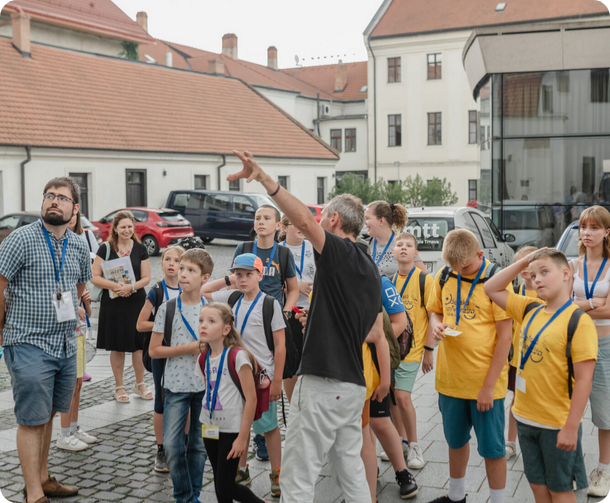
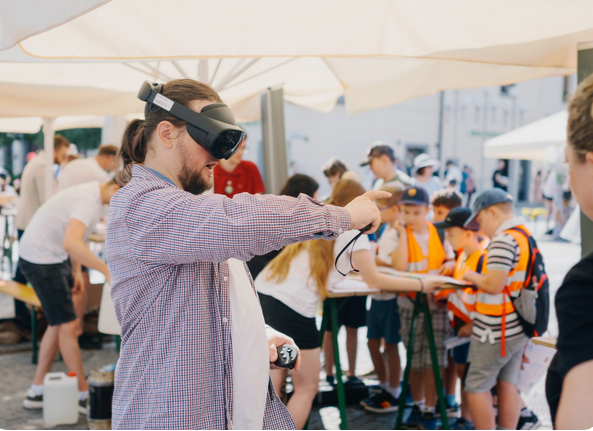
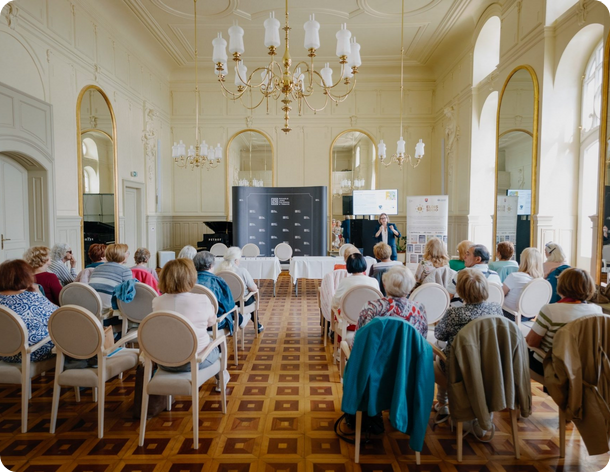
Trnava submitted its application to the network in November 2021 and was accepted as a member by the expert jury, along with 77 other cities from 44 countries around the world, on September 2, 2022. It is thus the first Slovak UNESCO Learning City. Behind her successful candidacy is the civic association Lifestarte, which, with the support of the city of Trnava, partners and volunteers, implements a full range of activities within the "Learning Trnava" program.
Trnava supports the development of lifelong learning, networks and connects educational institutions and organizes a range of activities aimed at increasing interest in education among all age groups. Detailed information about Trnava's diverse activities in the field of education and the development of the learning city concept can be found at www.uciacasatrnava.sk.
 |
 |
 |
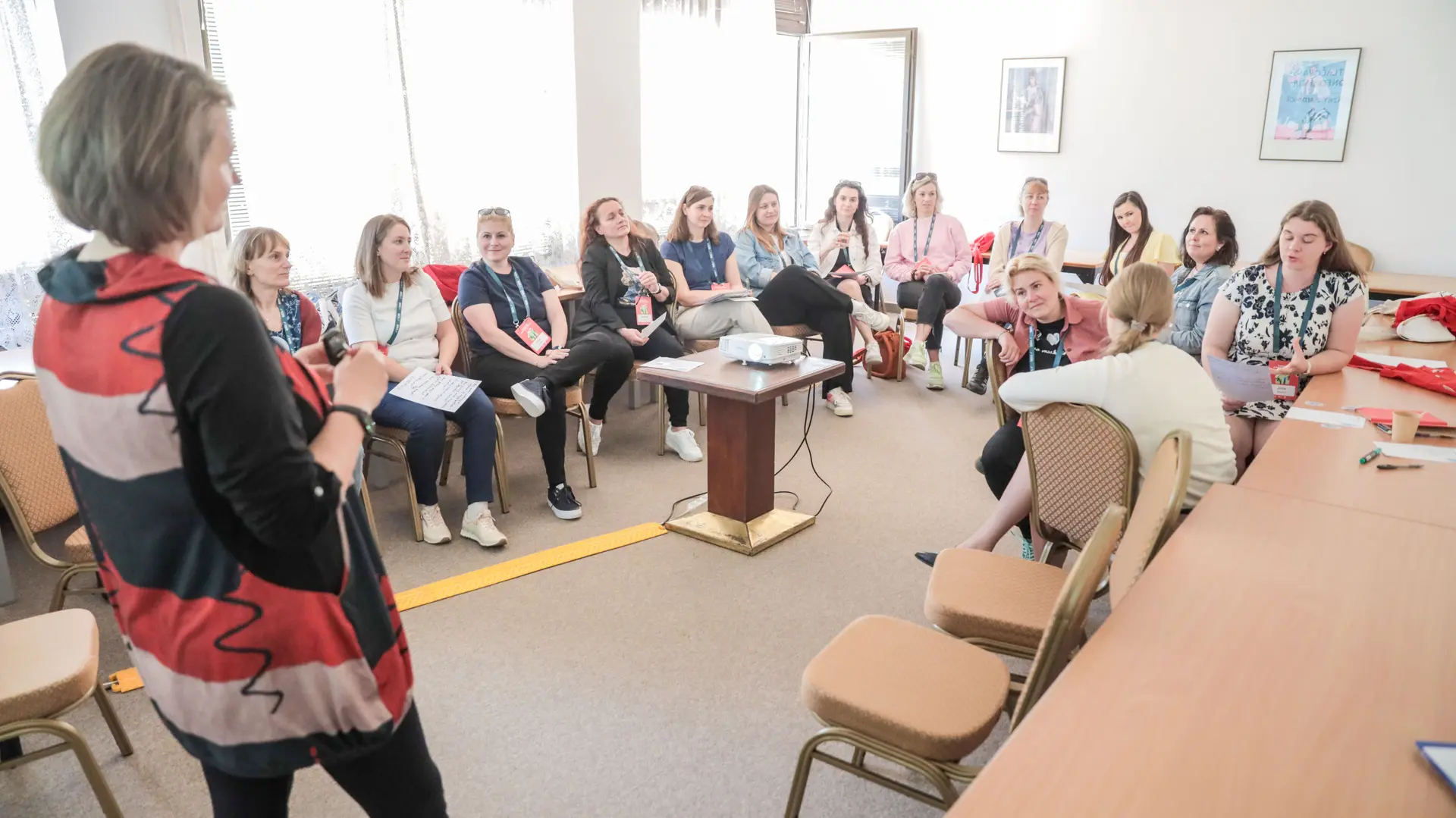
Bratislava became part of the prestigious UNESCO Global Network of Learning Cities (GNLC) in February 2024. This step strengthens its position as a modern, educated and innovative city that supports lifelong learning, professional cooperation and social inclusion.
Membership provides opportunities for establishing new partnerships, supports professional networking and enables the exchange and sharing of experiences and know-how in addressing challenges faced by learning cities at both the local and global levels. The admission of the capital city of Bratislava to the UNESCO GNLC is a significant achievement for the city and an opportunity to contribute to the fulfillment of the UNESCO SDGs.
As part of the Learning Cities Network, Bratislava has confirmed its commitment to supporting lifelong learning and creating an environment in which residents have access to diverse educational opportunities. More information is available at: https://bratislava.sk/vzdelavanie-a-volny-cas/uciaca-sa-bratislava
 |
 |
 |
|
More information about UNESCO Learning Cities can be found on: https://www.uil.unesco.org/en/learning-cities?hub=38