
| Events of UNESCO Centre |   |
 |
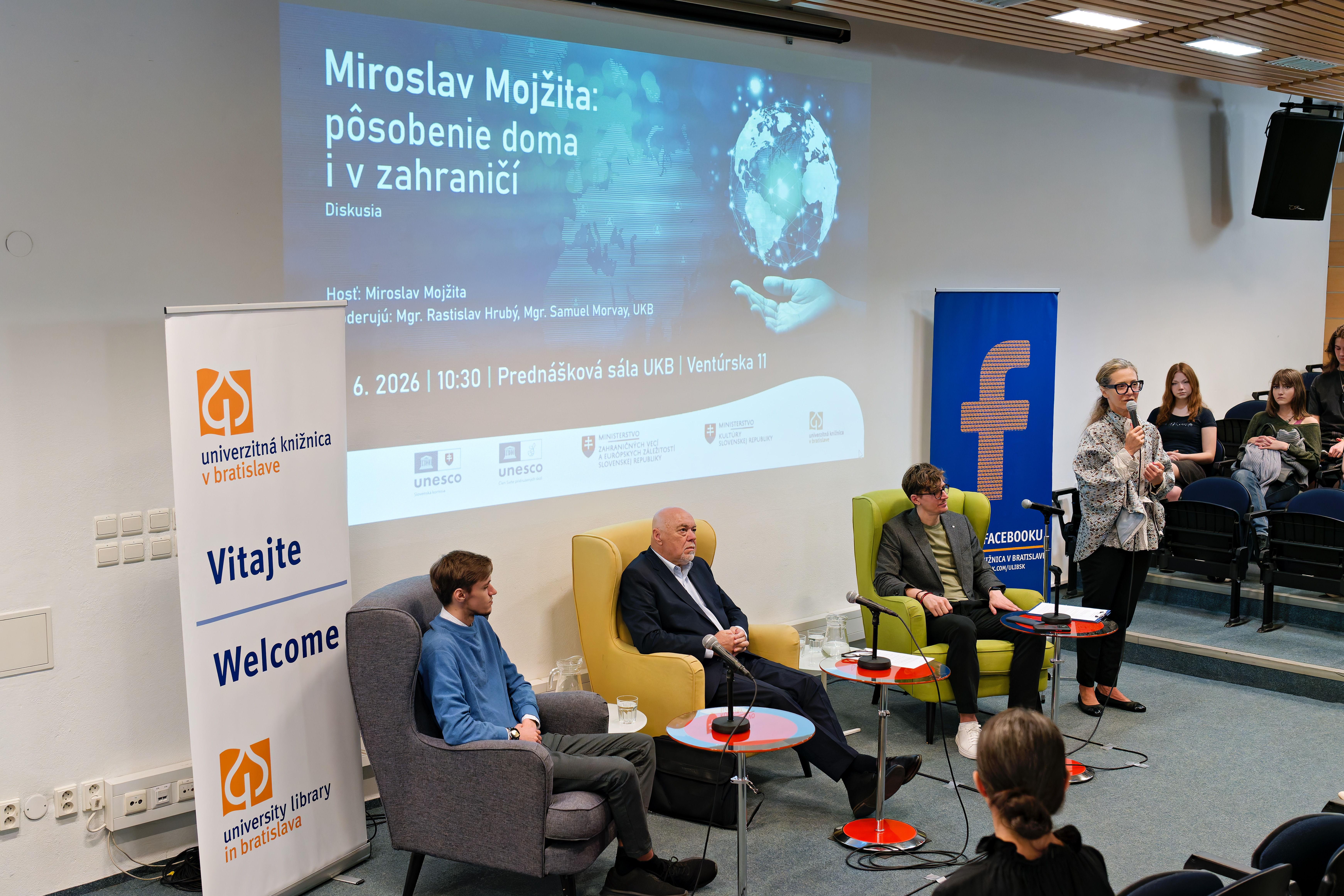
The discussion took place on June 04, 2026
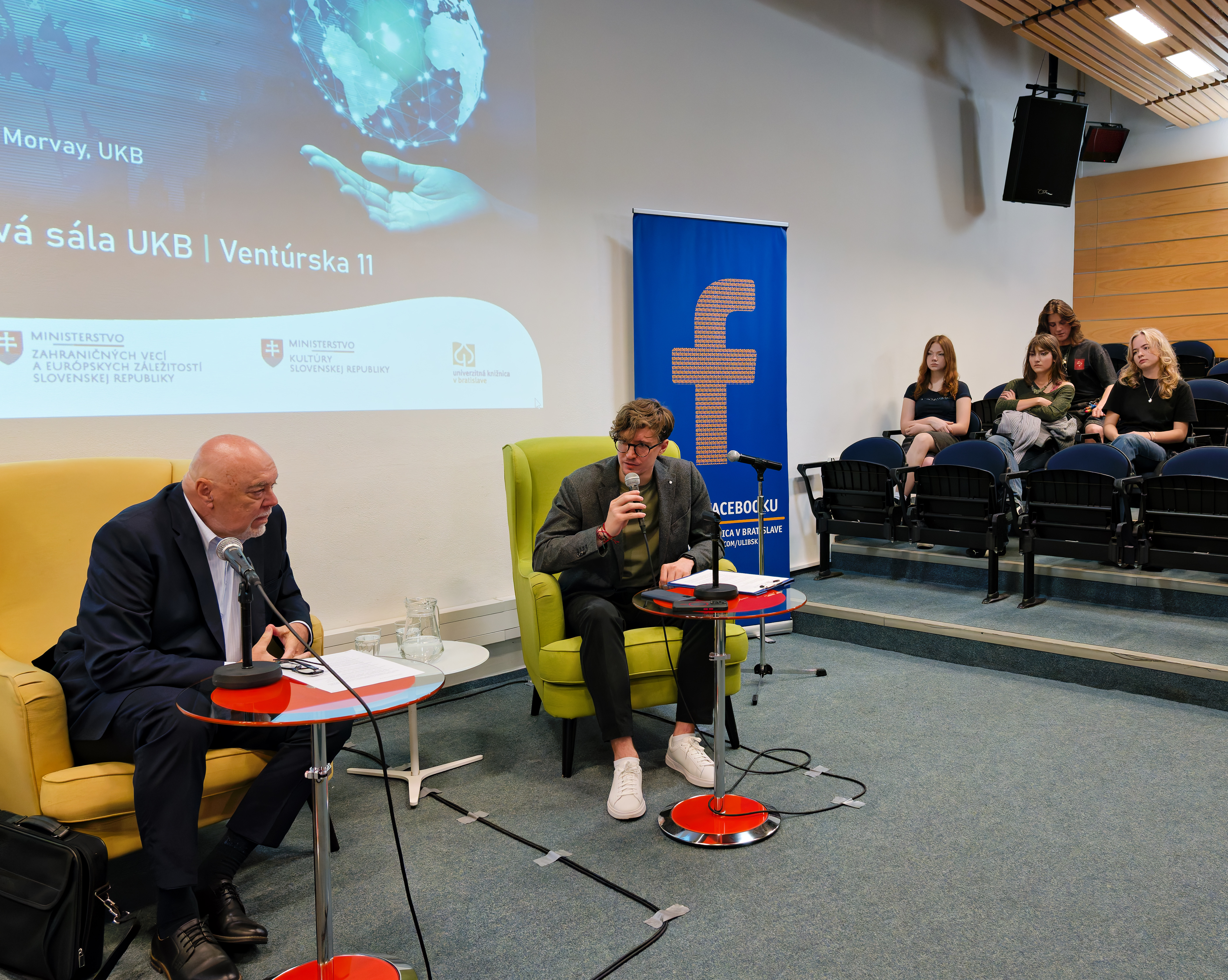
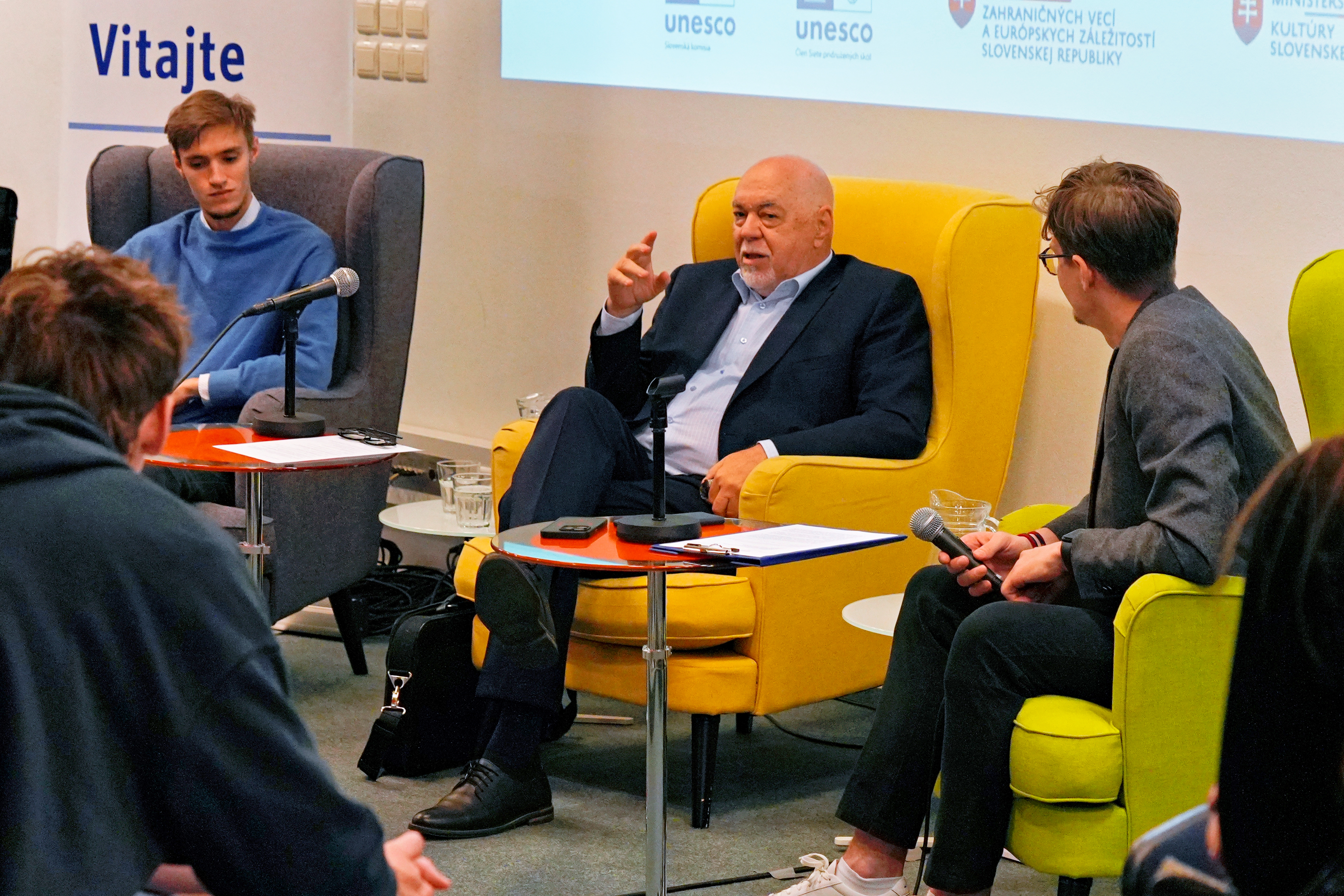
The UNESCO Information and Documentation Centre at UKB, in collaboration with the Ministry of Foreign and European Affairs of the Slovak Republic, organized a lecture as part of the World of Diplomacy: Reality, Challenges and Mission series entitled "Miroslav Mojžita: Work at Home and Abroad". It is unbelievable, but Ambassador Miroslav Mojžita served in several important diplomatic missions around the world from 1980 to 2020. That is 40 years of experience in direct deployment. During this time, he managed to be part of significant events that still affect the whole world today. Among his most significant experiences are the years spent in Yugoslavia. He started as a chargé d'affaires (1995-97) and then as an ambassador (1997-2001) with accreditation for Albania and Macedonia. During the war, he gained a lot of important knowledge about which he also wrote several books.
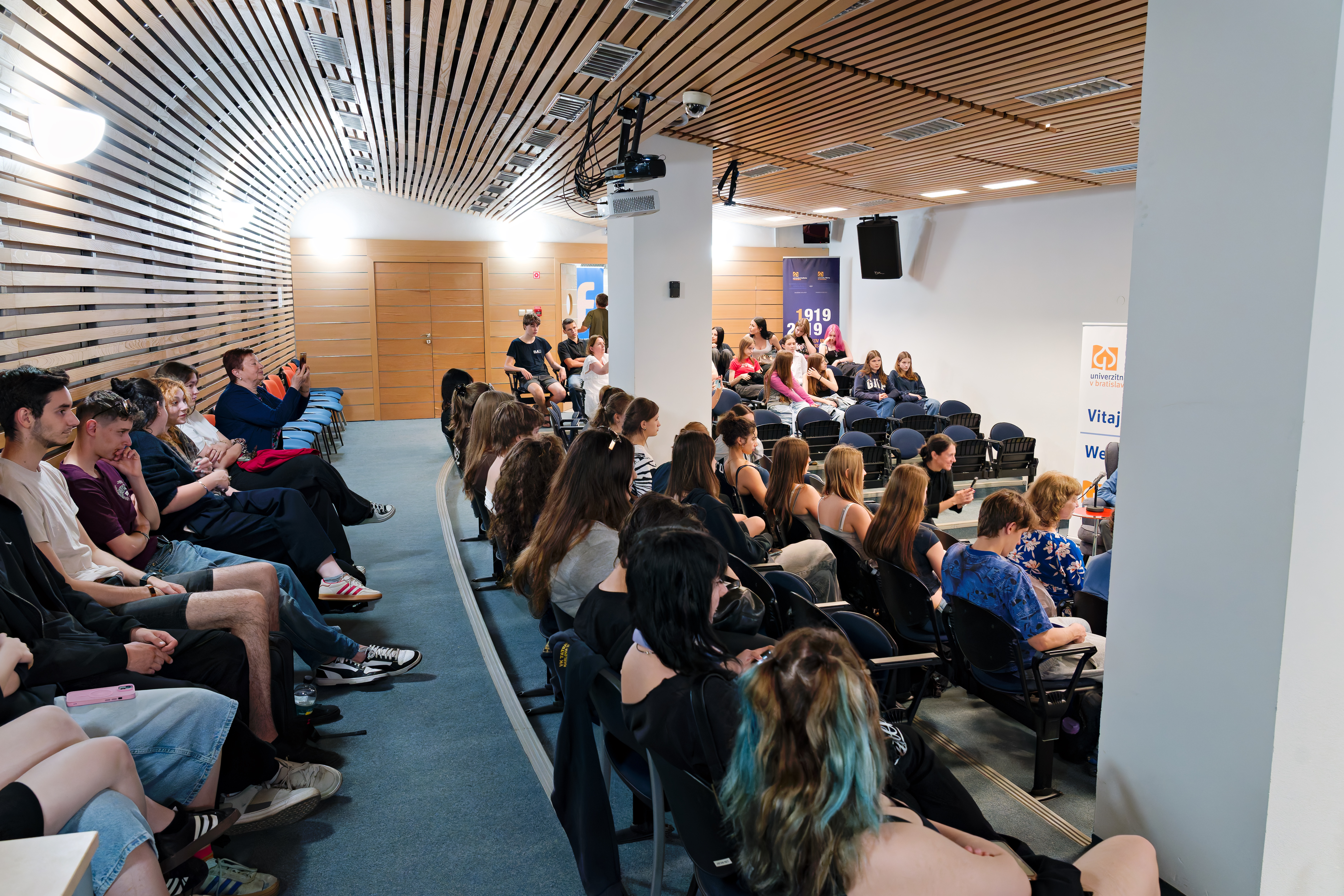
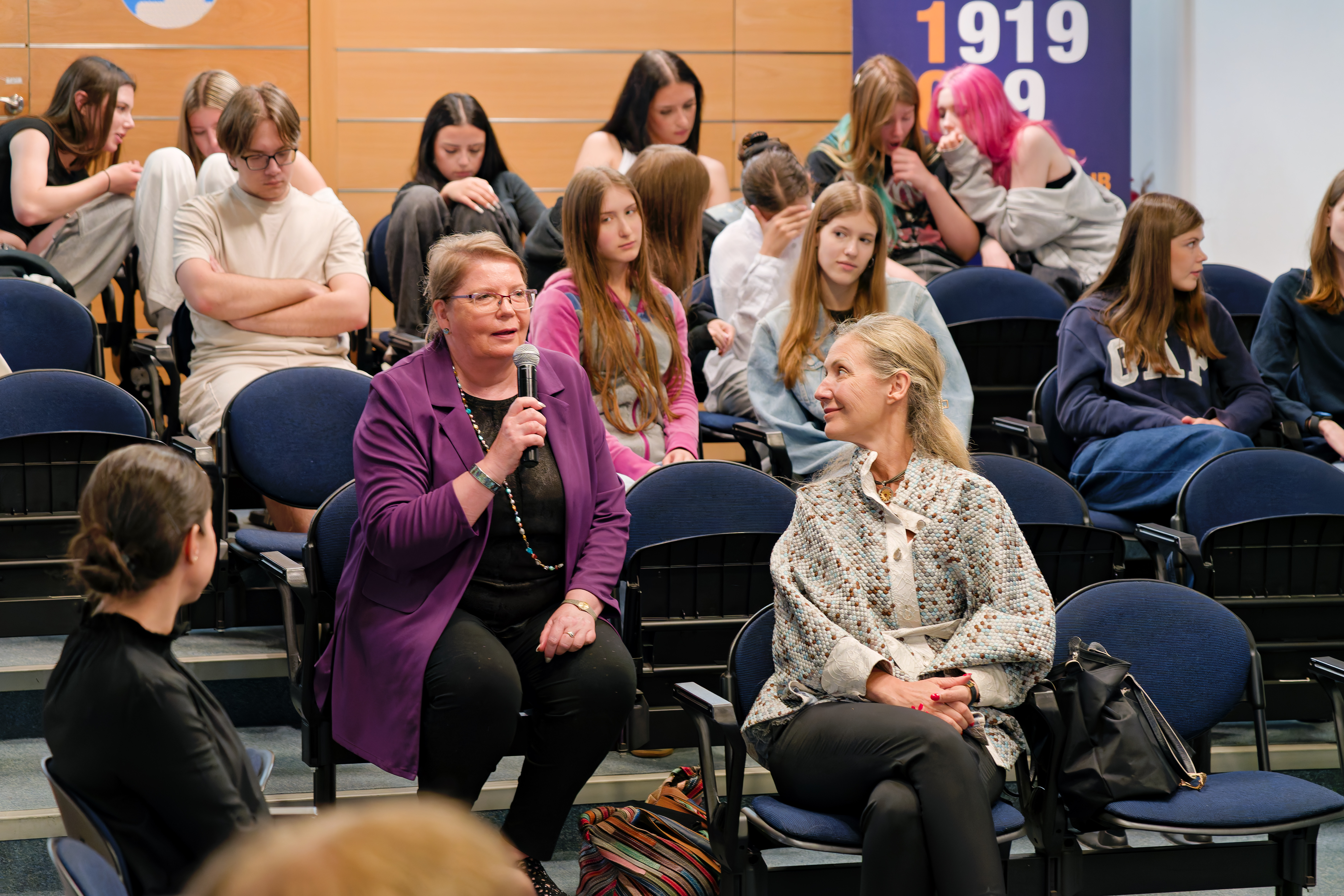
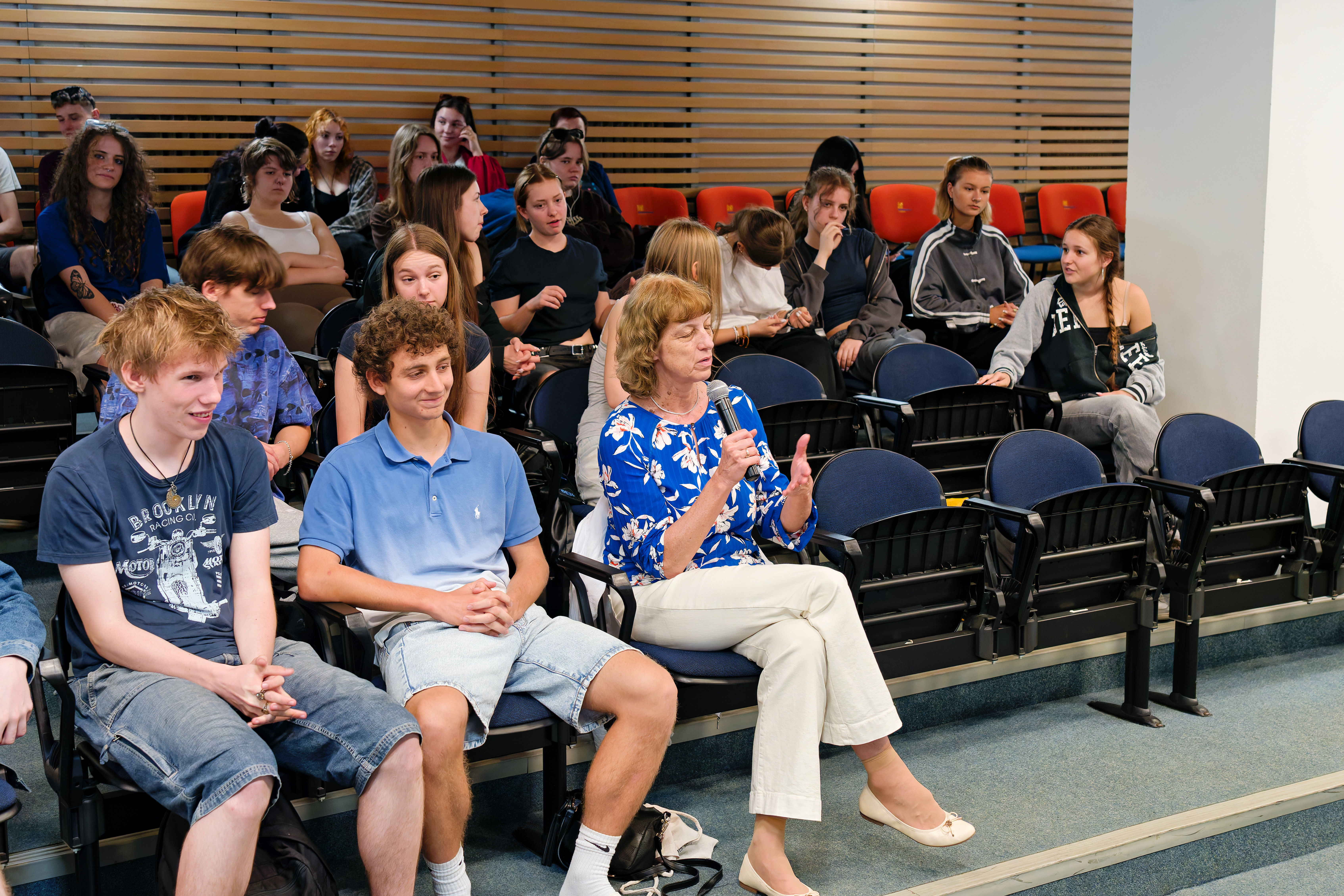
The main goal of the debate was to introduce students to the work of a diplomat and diplomacy so that they could better understand why it is so extremely important for the functioning of the state and its citizens.
Gallery:
 |
 |
 |
 |
 |
 |
|
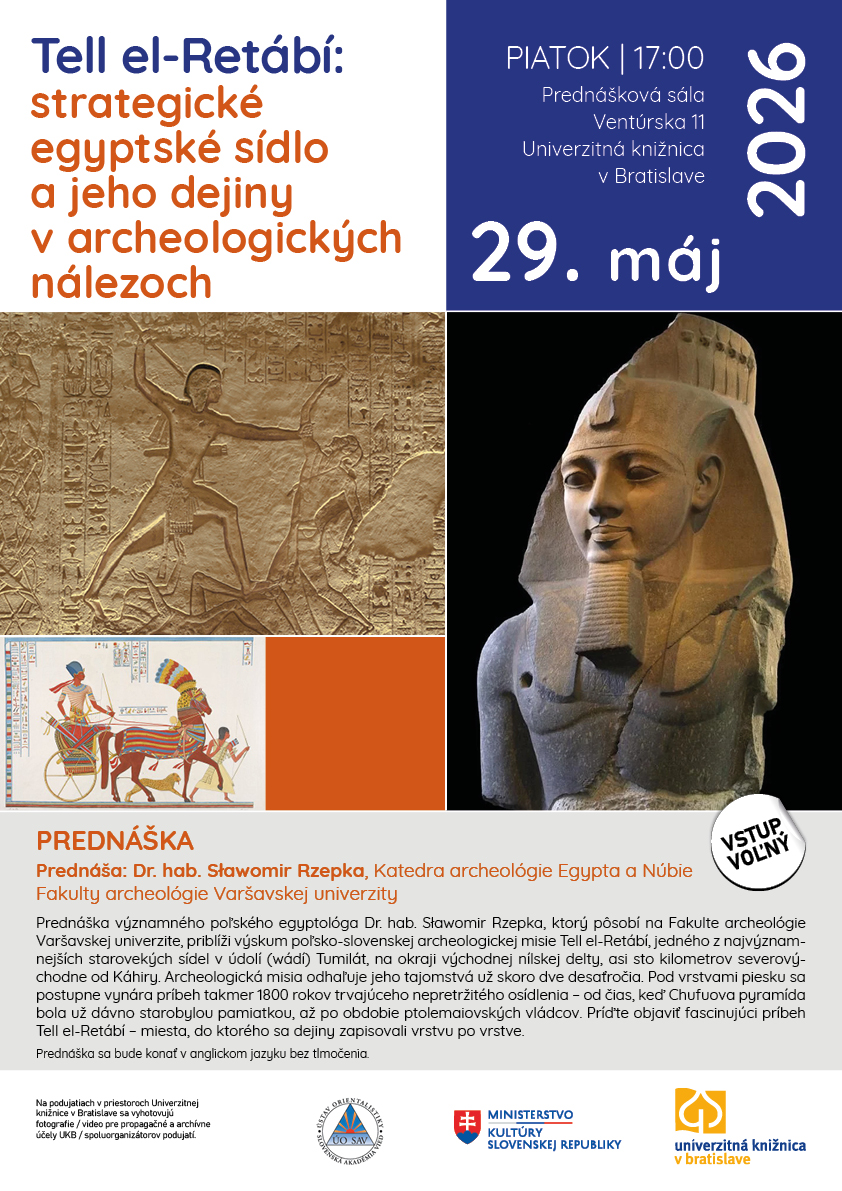
The lecture took place on May 29, 2026
Lecturer: Dr. hab. Sławomir Rzepek
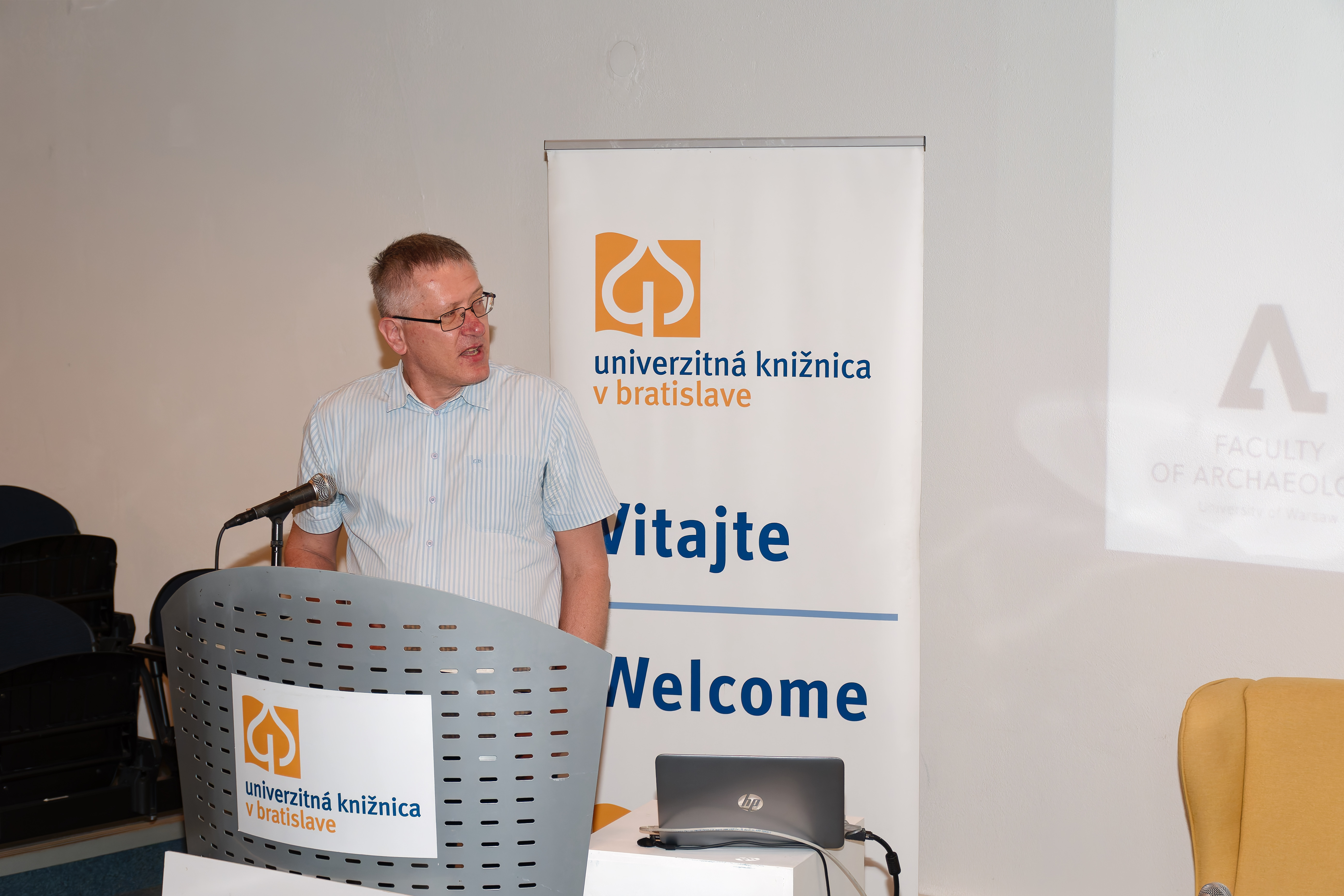
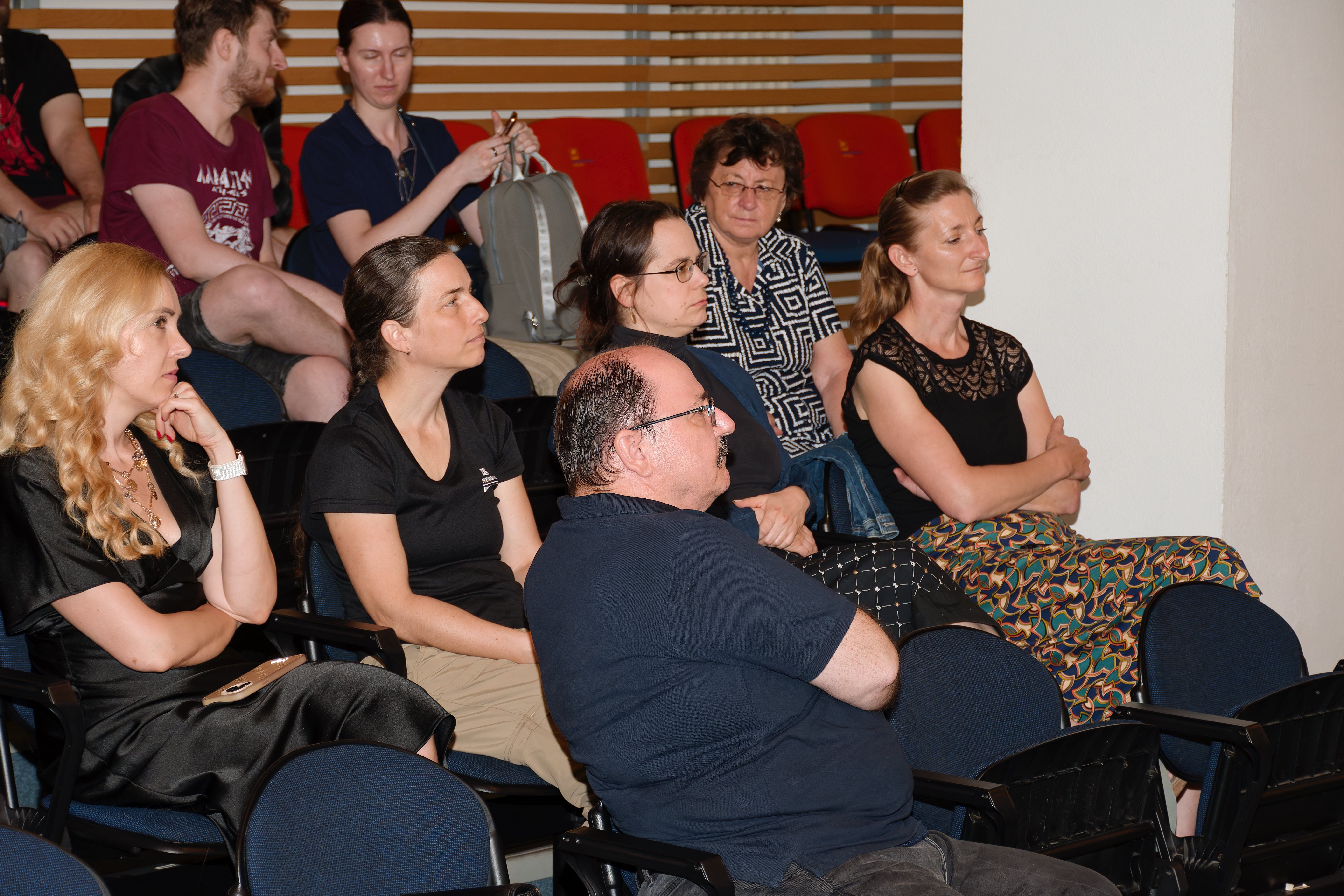
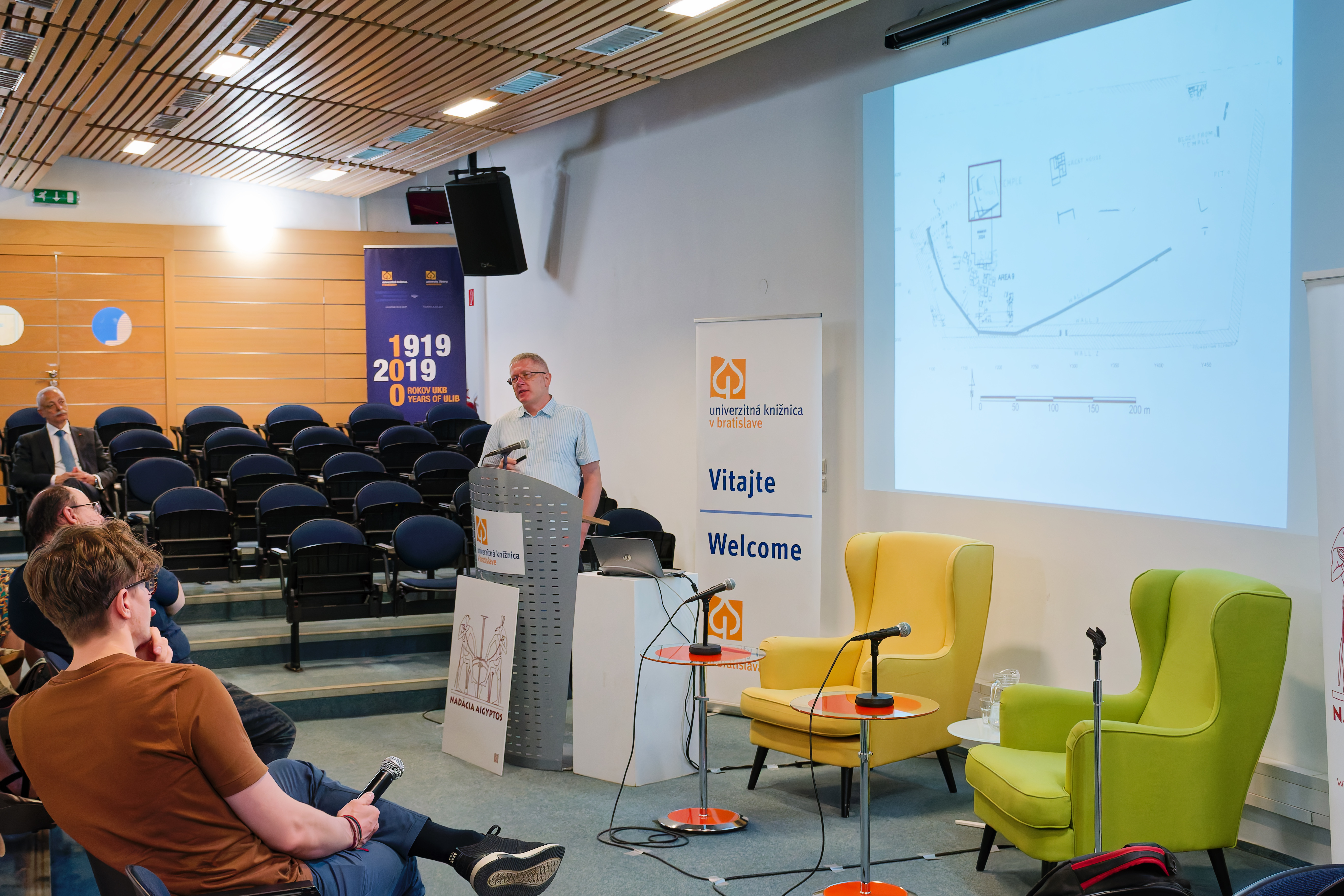
The lecture by the prominent Polish Egyptologist Dr. hab. Sławomir Rzepek, who works at the Faculty of Archaeology at the University of Warsaw, presented the research of the Polish-Slovak archaeological mission at Tell el-Retabi, one of the most important ancient settlements in the valley (wadi) Tumilat, on the edge of the eastern Nile Delta, about a hundred kilometers northeast of Cairo. The archaeological mission has been revealing its secrets for almost two decades. Under the layers of sand, the story of almost 1,800 years of continuous settlement is gradually emerging - from the time when the Pyramid of Khufu was already an ancient monument, to the period of the Ptolemaic rulers.
Gallery:
 |
 |
 |
|
The lecture took place on April 23, 2026
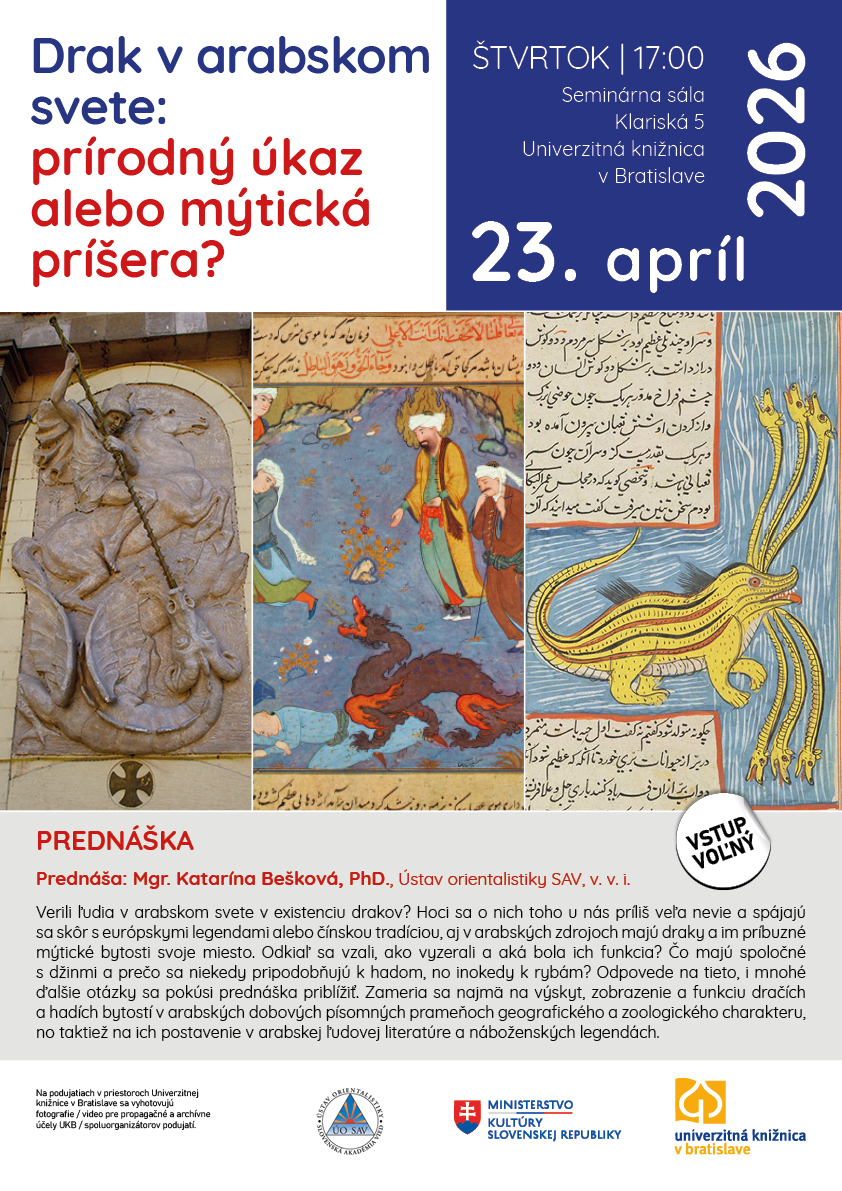
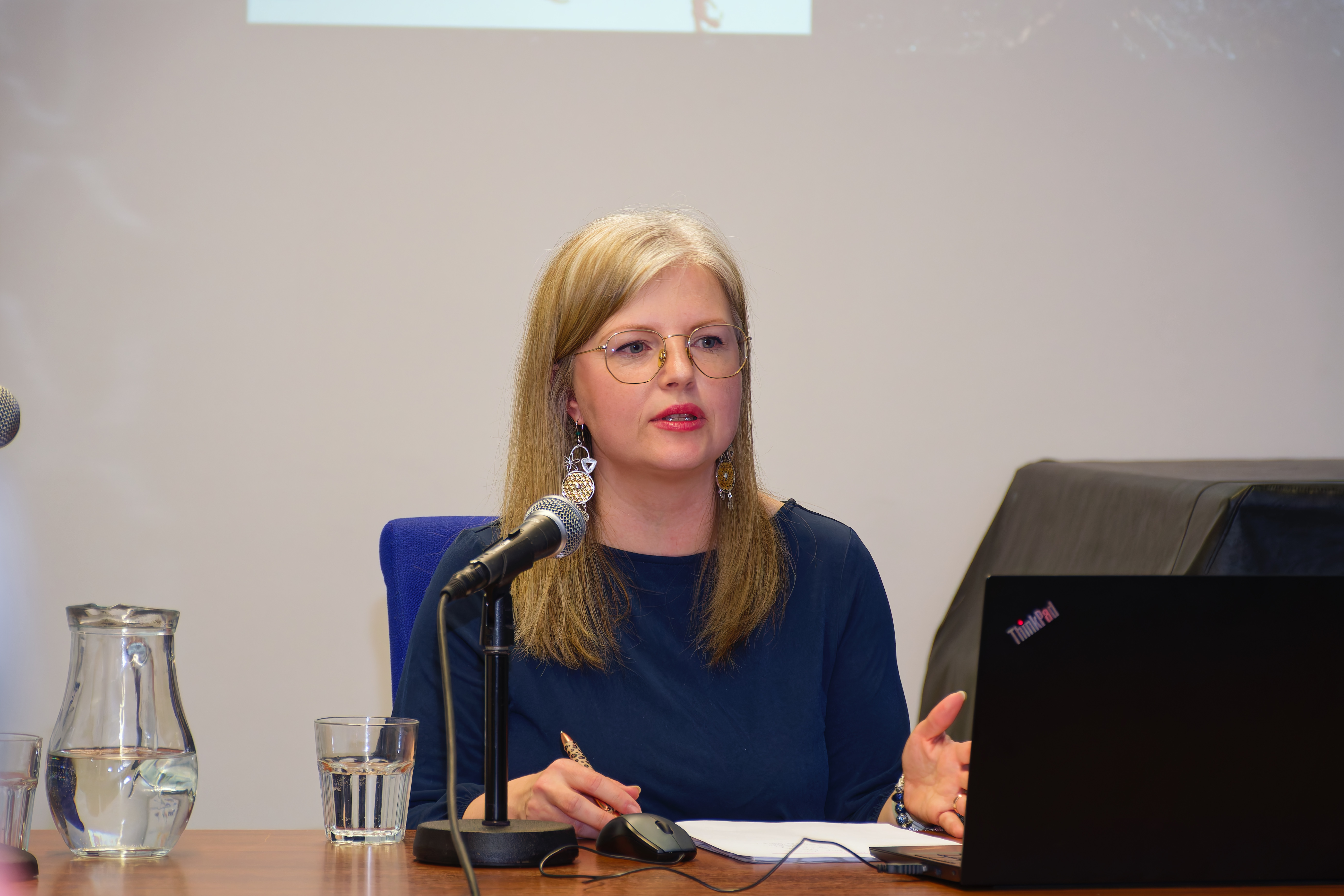
Lecturer: Mgr. Katarína Bešková, PhD., Institute of Oriental Studies, Slovak Academy of Sciences
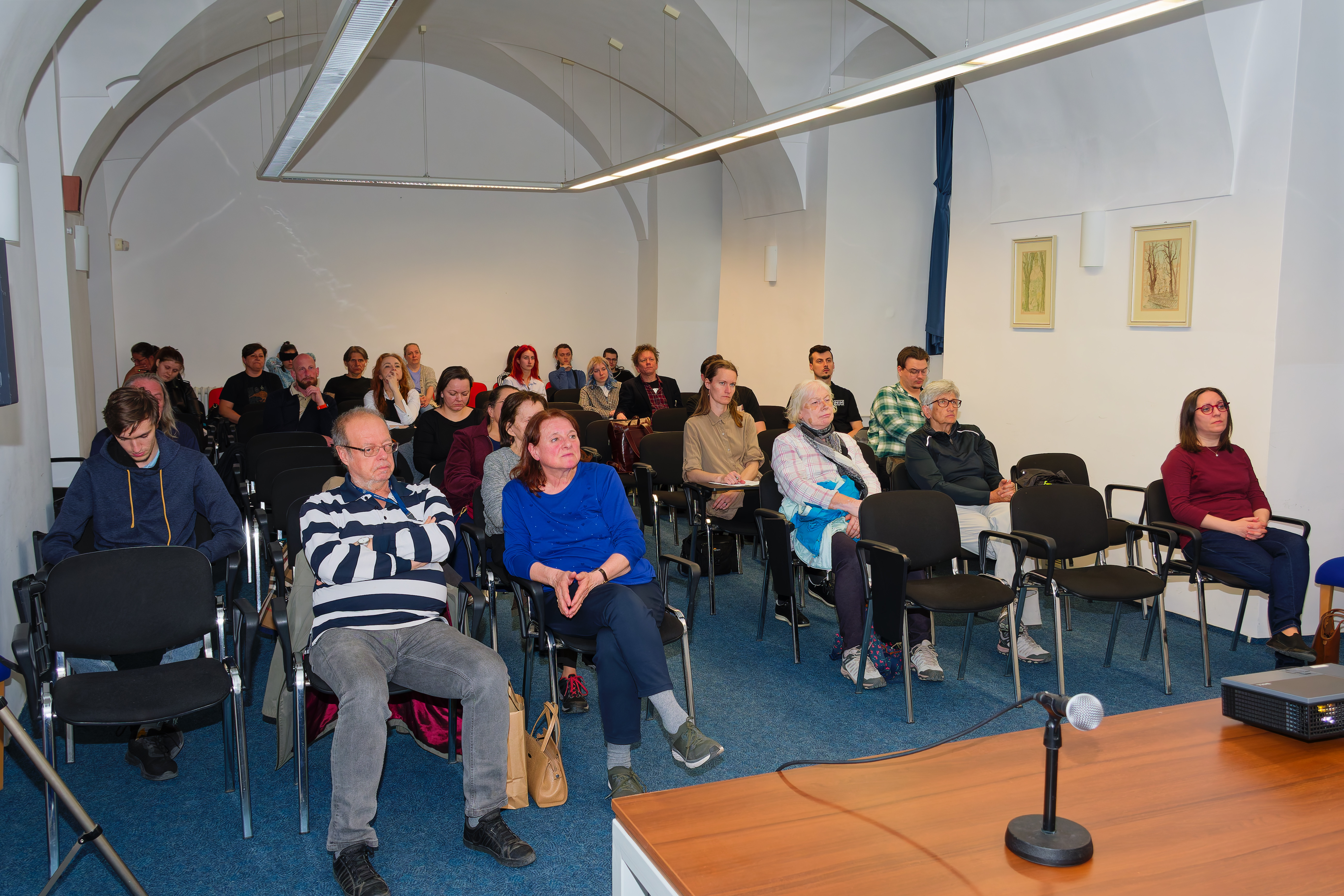
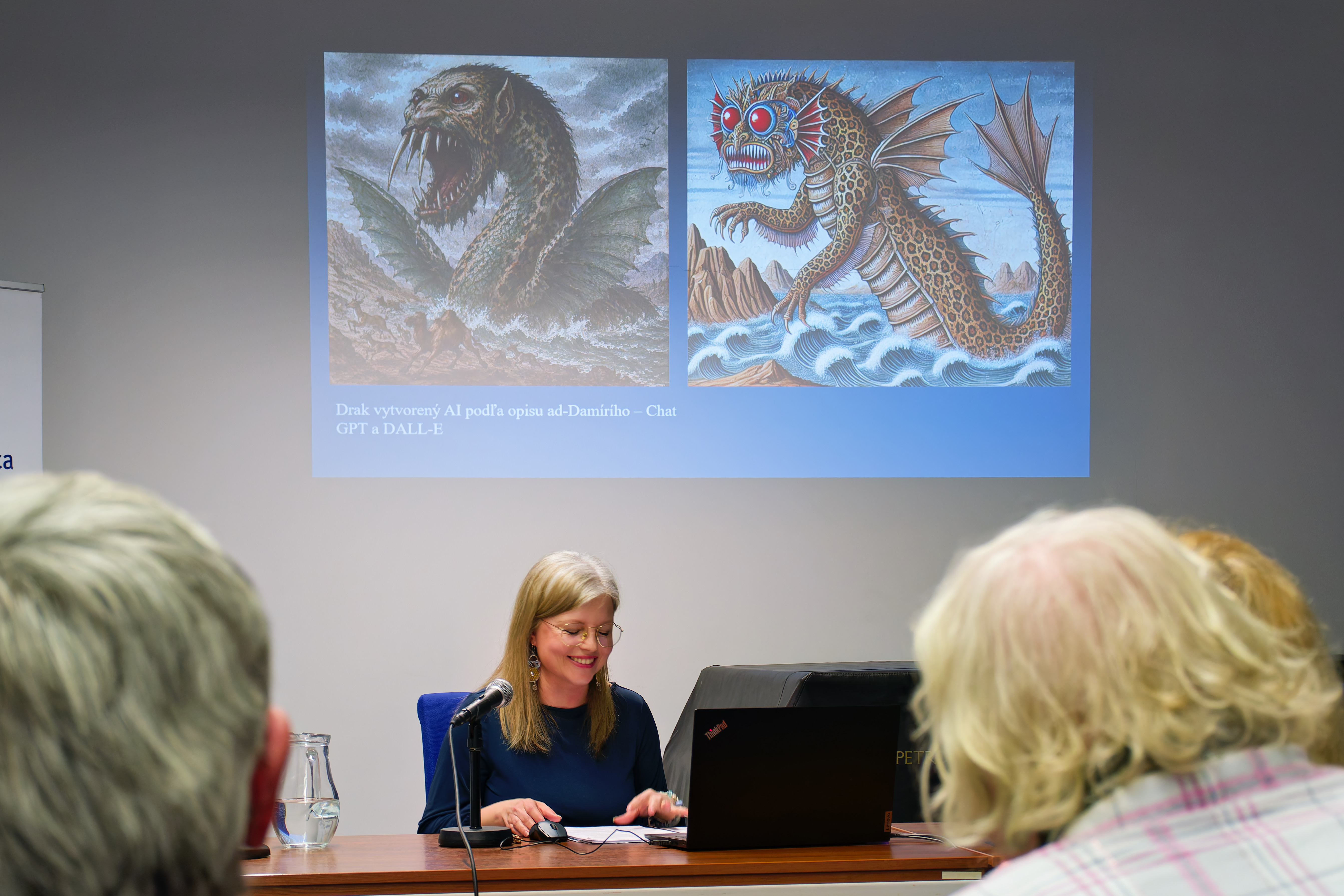
Did people in the Arab world believe in the existence of dragons? Where did they come from, what did they look like, and what was their function? What do they have in common with jinn and why are they sometimes likened to snakes and sometimes to fish? The lecture attempted to provide visitors with the answers to these and many other questions. It focused mainly on the occurrence, depiction, and function of dragon and serpentine creatures in contemporary Arabic written sources of a geographical and zoological nature, as well as their position in Arab folk literature and religious legends.
Gallery:
 |
 |
 |
|
The lecture took place on March 26, 2026
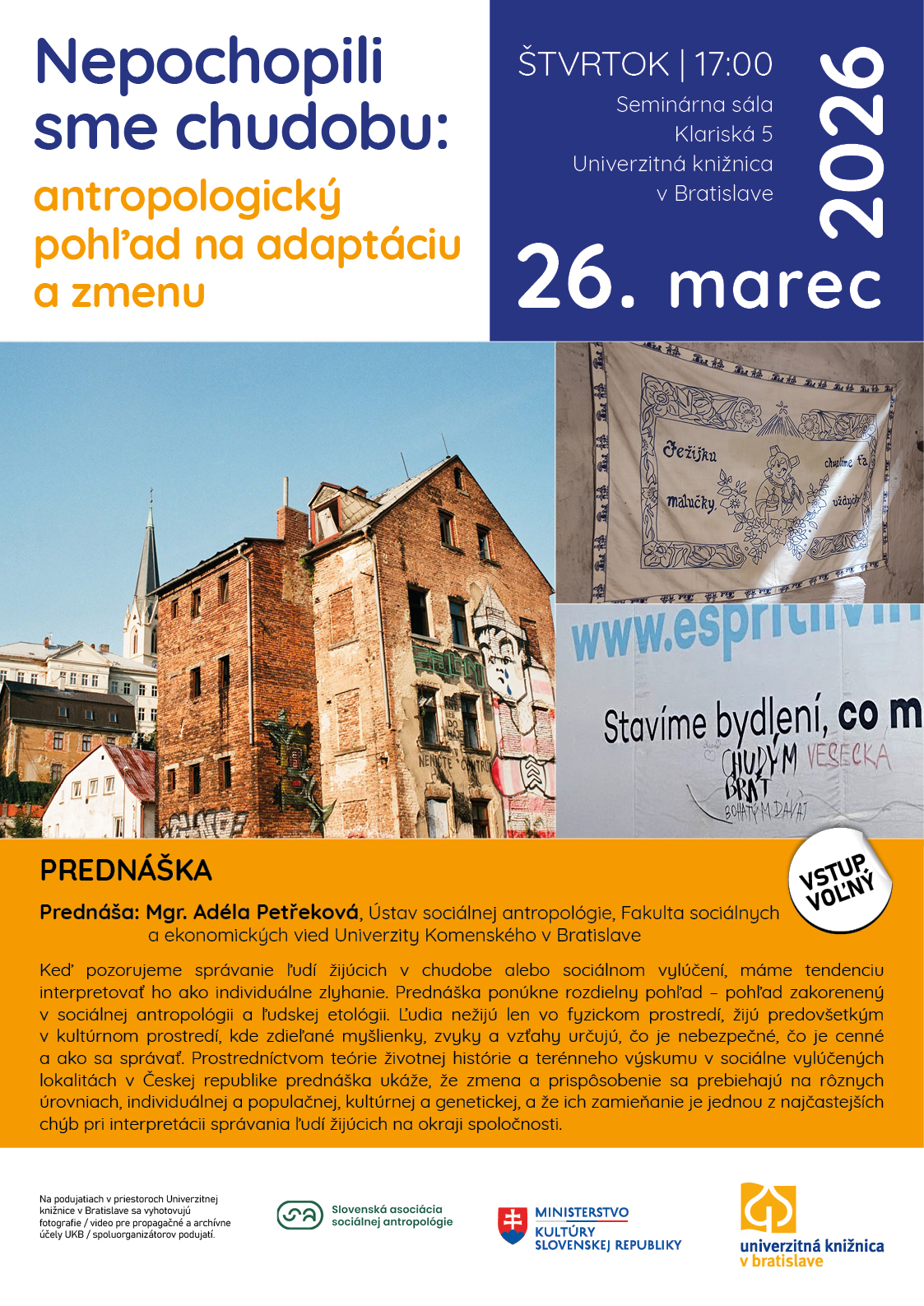
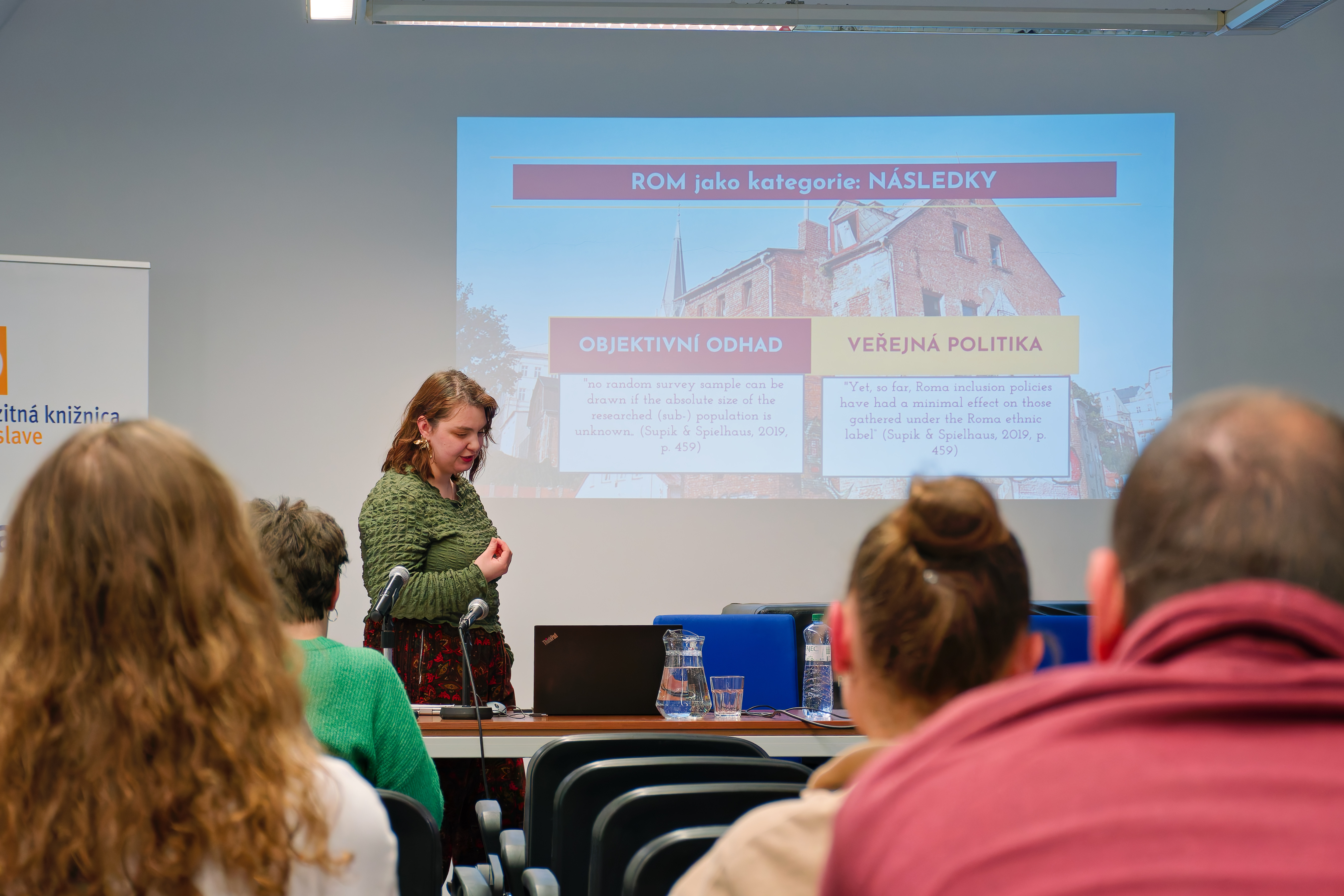
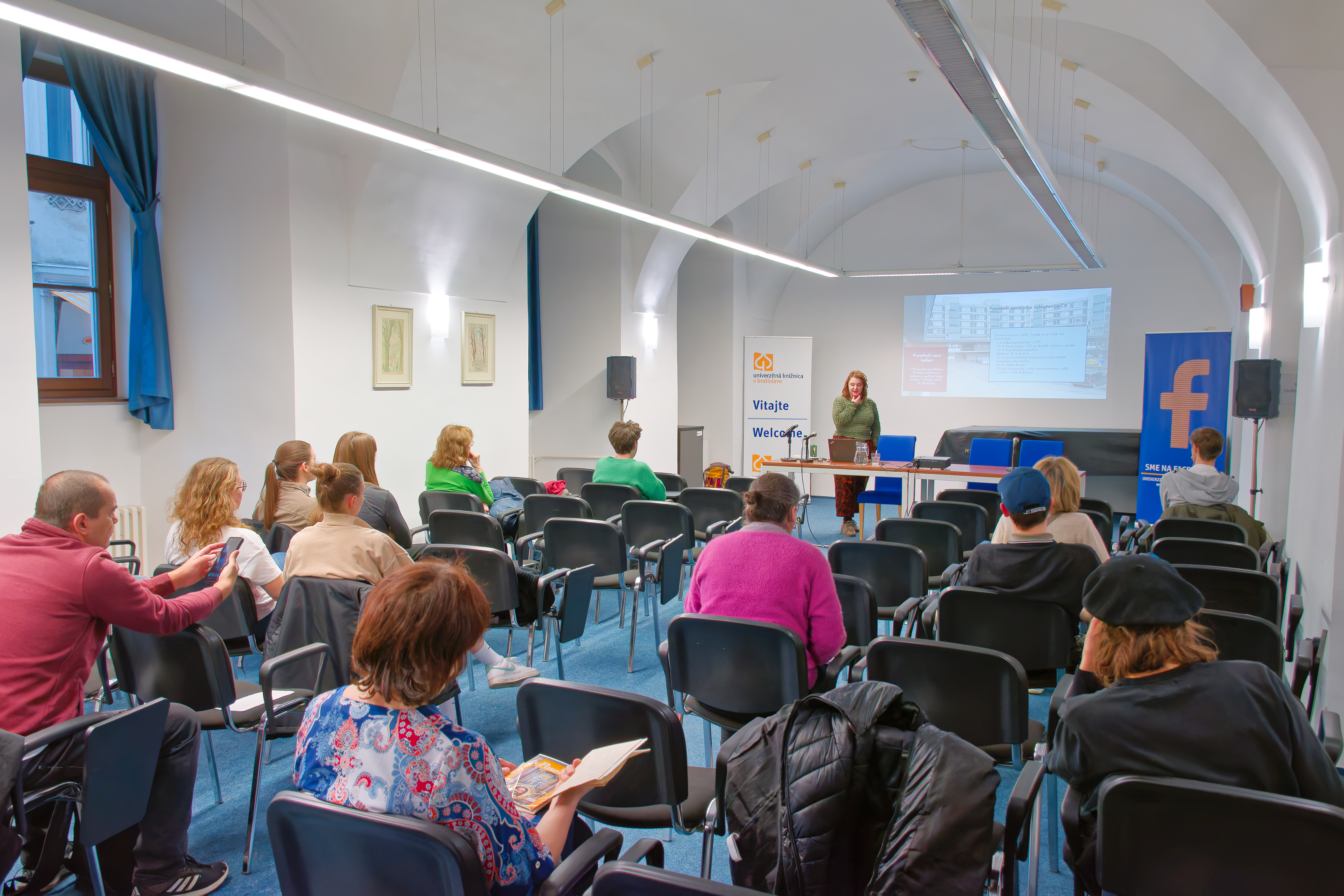
Lecturer: Mgr. Adéla Petřeková, Institute of Social Anthropology, Faculty of Social and Economic Sciences, Comenius University in Bratislava
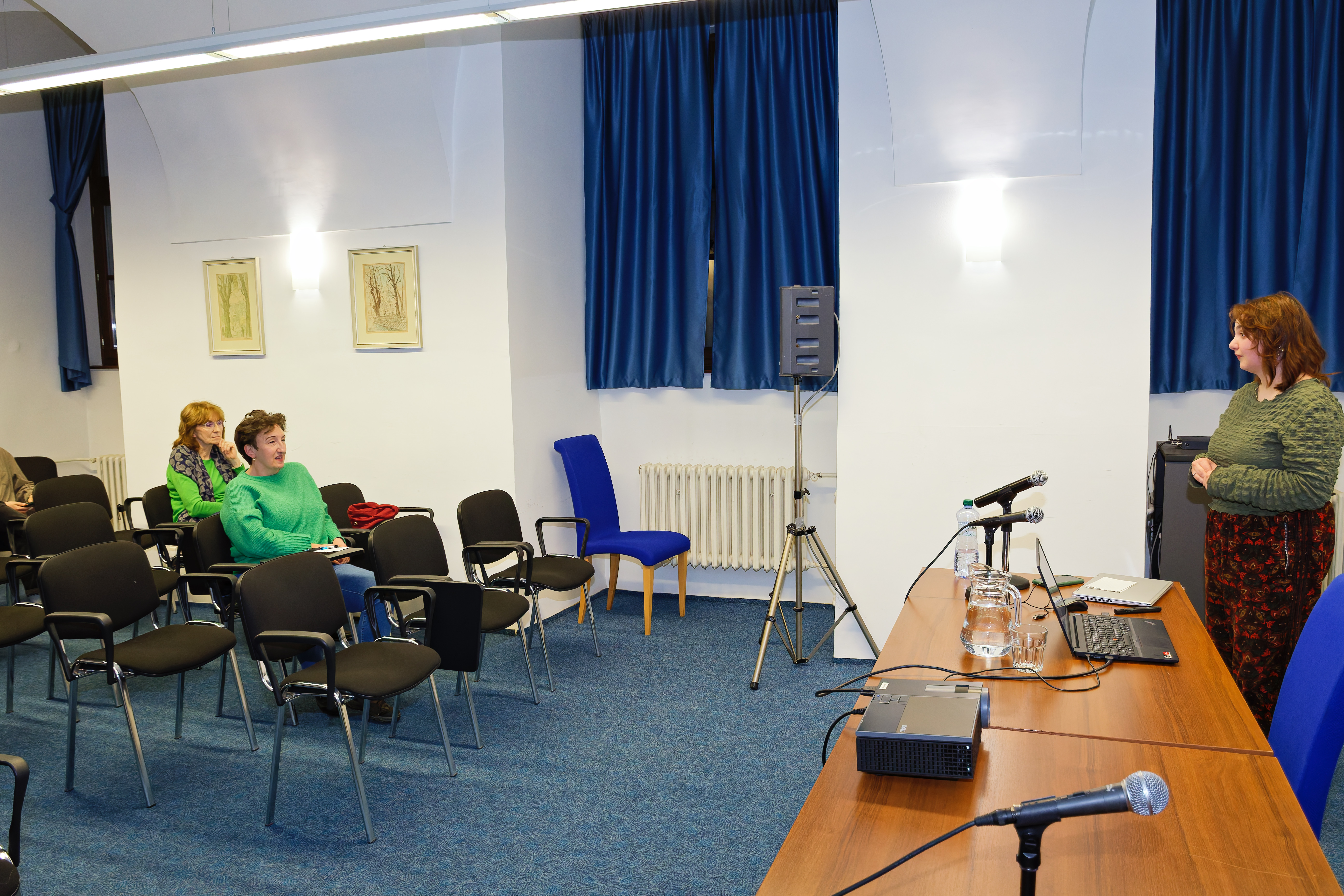
The lecture offered a different perspective – one rooted in social anthropology and human ethology. People do not live only in a physical environment, they live primarily in a cultural environment, where shared ideas, customs and relationships determine what is dangerous, what is valuable and how to behave. Through life history theory and field research in socially excluded localities in the Czech Republic, the lecture showed that change and adaptation to it take place at different levels, individual and population, cultural and genetic, and that confusing them is one of the most common errors in interpreting the behavior of people living on the margins of society.
Gallery:
 |
 |
 |
|
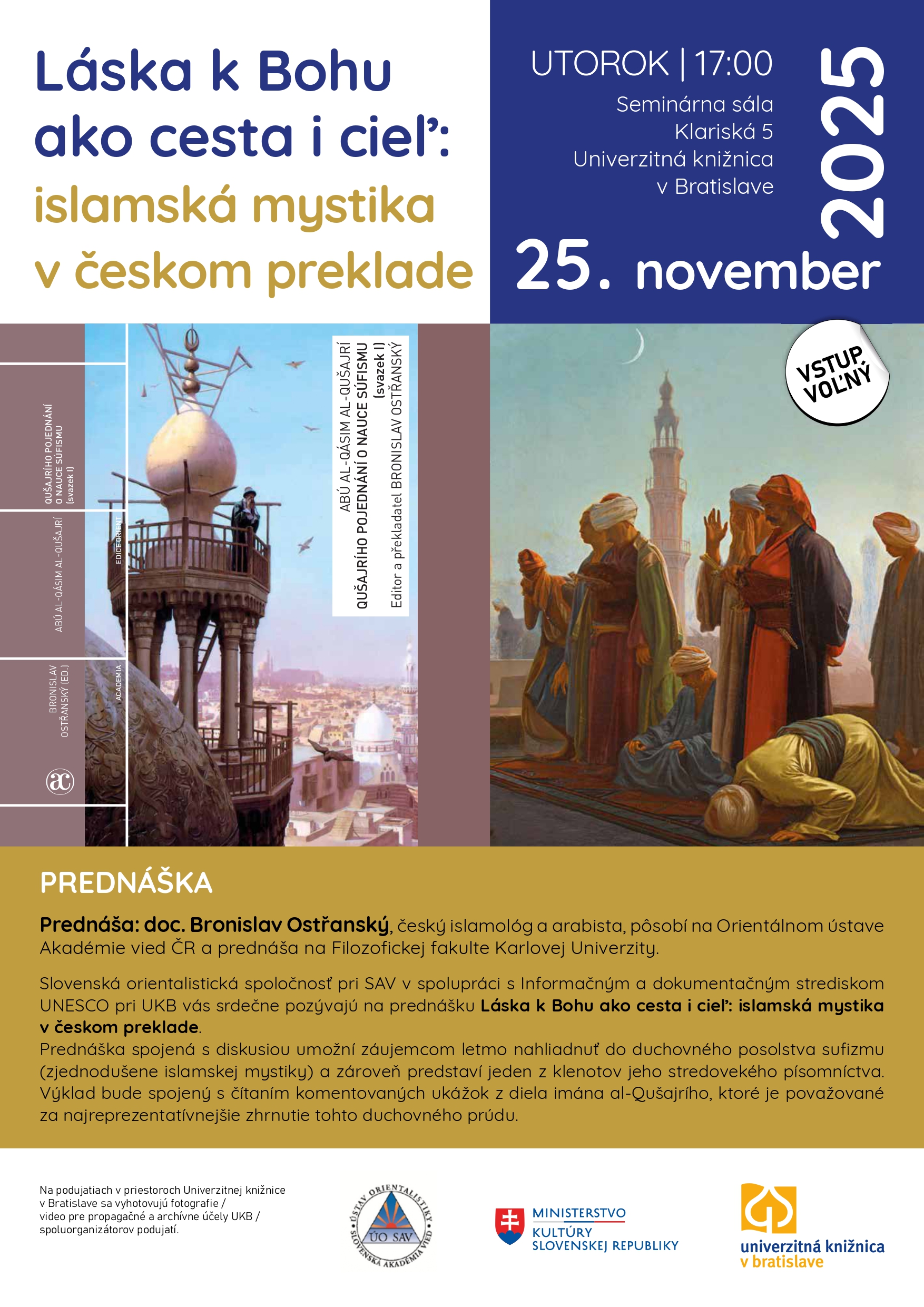
The lecture took place on February 19, 2026
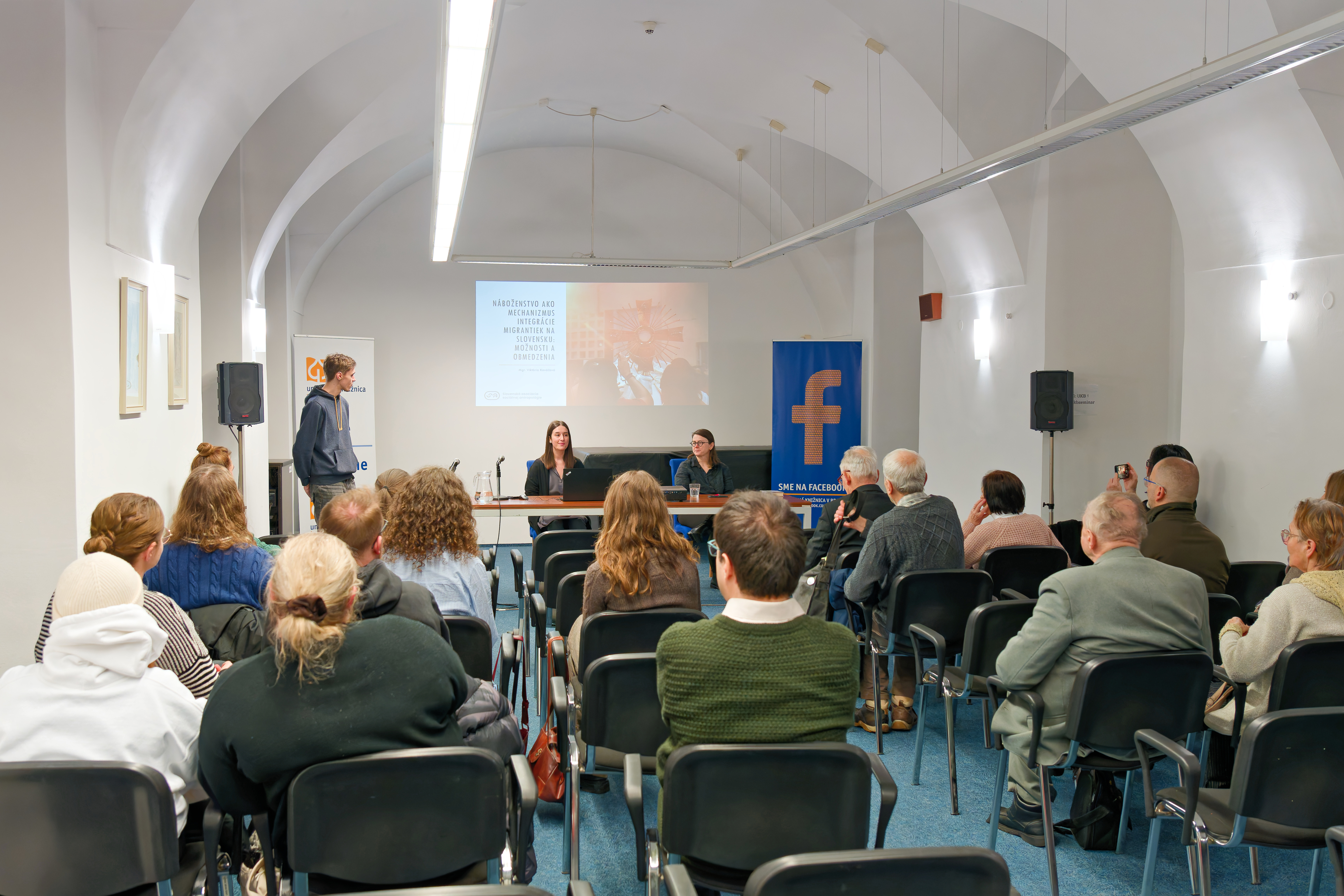
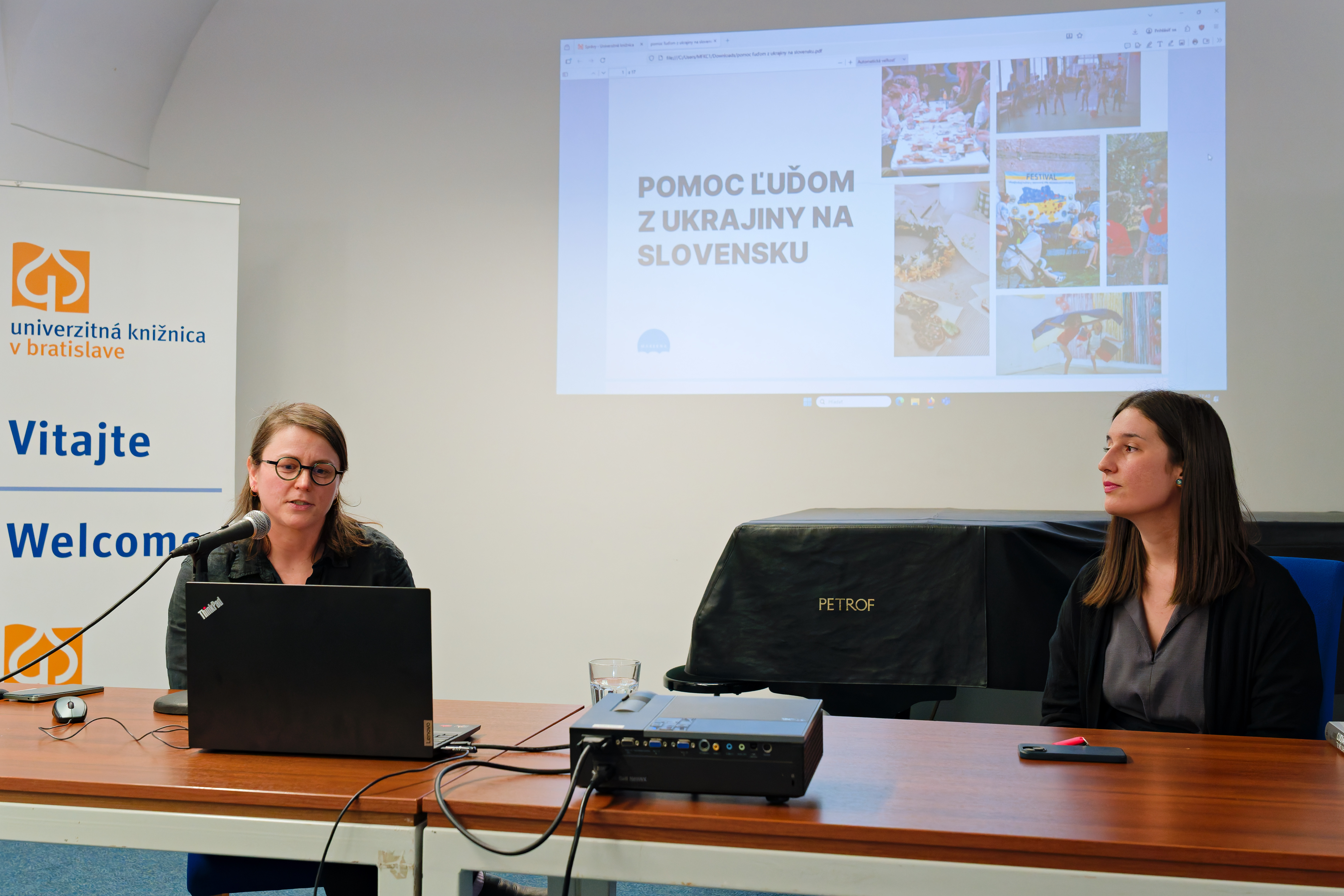
Lecturers: Mgr. Viktória Kováčová, graduate of social anthropology at the Faculty of Social and Economic Sciences, Comenius University in Bratislava, and Katarína Levčíková, employee of the non-profit organization Mareena
The lecture from the lecture series Anthropological Wanderings through the World of Human Cultures discusses the process of integration of female migrants from Ukraine in Slovakia after the outbreak of war in 2022. The aim of the lecture is to present their experiences with assistance when leaving their home country and upon arrival in Slovakia, as well as their daily functioning, level of integration, and coping strategies that helped them cope with stress during that period.
Gallery:
 |
 |
 |
|